
Introduction
If you are actively searching for a job or planning a career move in 2026, there is one term you will hear again and again: ATS, or Applicant Tracking System. ATS has changed how employers process job applications and how candidates need to prepare their resumes and applications. These systems not only help recruiters manage high volumes of applicants but also influence who gets seen by hiring managers. In a competitive job market where companies receive hundreds or even thousands of resumes for a single posting, understanding ATS and how it works is essential for any job seeker.
In this blog post, you will learn:
-
What an ATS is
-
How ATS works in modern recruitment
-
Why it matters more than ever in 2026
-
How to optimize your application to get past ATS checks
-
Common misconceptions about ATS
By the end of this post, you will have both a clear conceptual overview and practical, research-backed strategies to make ATS work for you.
What Is an ATS?
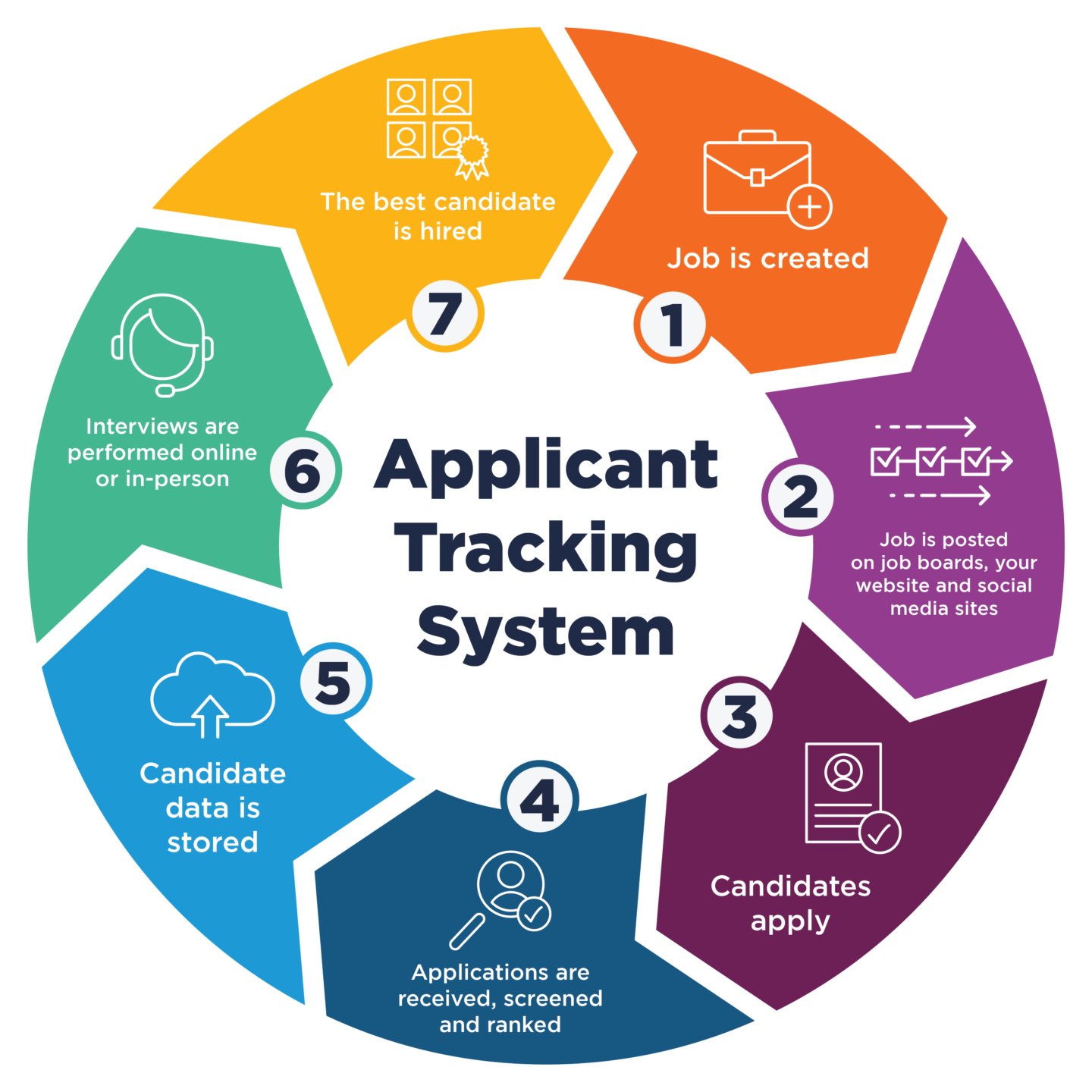
An Applicant Tracking System (ATS) is software used by employers to electronically manage recruitment and hiring needs. It acts like a centralized system that collects and organizes job applications, tracks candidates throughout the hiring process, and automates many manual tasks that were once handled by human recruiters. At its core, an ATS stores candidate information and makes it searchable and actionable.
In practice, an ATS works much like a specialized recruitment database. When you submit your resume online through a company website or a job board, the ATS captures that application and stores it in a structured format where recruiters can review it and move it through the hiring pipeline.
Modern ATS platforms often include features such as:
-
Resume parsing and keyword extraction
-
Candidate ranking and filtering
-
Job posting and distribution to boards
-
Interview scheduling and communication tools
-
Collaboration tools for hiring teams
-
Analytics and compliance reporting
Because an ATS holds so much of the hiring workflow, most medium and large employers now use them as the first line of screening for job applications.
How ATS Works in Practice
Understanding how an ATS processes your resume and application is key to ensuring your materials get reviewed by a real person.
1. Resume Submission and Parsing
When you apply for a job online, the ATS first collects and stores your application materials in its database. Then it performs a process called resume parsing. Parsing means that the system reads your resume like a computer would and extracts key details such as your name, contact information, work history, education, skills, and certifications.
Parsing transforms unstructured text into structured data the system can analyze and rank.
2. Keyword and Qualification Matching
After parsing, the ATS compares the extracted information against the criteria defined in the job posting, including desired skills, experience, qualifications, and keywords. This matching process helps recruiters quickly identify resumes that align with the job description.
For example, if a job description emphasizes project management, Agile, and budget forecasting, the ATS looks for those exact phrases and associated terminology. The system may also recognize common variations or acronyms if it has more advanced matching logic.
3. Candidate Ranking and Filtering
Based on how well your resume matches the job criteria, the ATS may assign a ranking or categorize you against other applicants. Recruiters can then sort and filter candidates based on this information to focus their attention on the best matches.
Recruiters often set filters and custom fields so that candidates who meet certain must-have requirements appear at the top of the list.
4. Workflow Automation and Communication
Many ATS platforms automate routine tasks like interview scheduling, sending updates to candidates, and logging messages. This means candidates may receive notifications, reminders, and status changes automatically as they move through the process.
These features reduce manual work for HR teams and help maintain candidate engagement throughout the application process.
Why ATS Is Important in 2026
In the fast-evolving job market of 2026, ATS matters more than ever for both employers and job seekers.
1. Handling High Applicant Volumes
Companies of all sizes receive far more applications than recruiters can manually review. An ATS automates initial screening so that recruiters focus their time on candidates who are likely to be a strong fit. According to industry surveys, a large majority of employers use ATS in their hiring operations. ATS has become a foundational technology in talent acquisition.
2. Efficiency and Time Savings for Recruiters
ATS dramatically speeds up the hiring process by automating repetitive tasks that used to require hours of manual effort. Recruiters save time posting jobs, sorting applicants, communicating with candidates, and scheduling interviews. These automation benefits allow hiring teams to be more productive and responsive.
3. Data-Driven Hiring Decisions
One of the biggest advantages of modern ATS platforms is the ability to collect and analyze data. Recruiters and HR leaders use analytics to evaluate hiring metrics such as time to hire, applicant drop-off rates, diversity ratios, and skill gaps. These insights support better planning and optimization of the recruitment strategy.
4. Enhancing Candidate Experience
Today’s ATS focuses on creating a smooth and transparent application experience. With mobile-friendly job applications, status updates, and automated communication, candidates know where they stand at each stage of the process. This emphasis on user experience helps organizations present a strong employer brand.
5. AI and Advanced Matching Capabilities
ATS platforms are increasingly integrating artificial intelligence, natural language processing, and machine learning for more intelligent candidate matching and predictive analytics. These capabilities allow systems to move beyond simple keyword matching toward deeper contextual understanding of skills and experience.
As a result, job seekers must understand how these systems interpret their resumes and applications to improve visibility.
The Impact of ATS on Job Seekers
ATS affects nearly every job seeker because it often determines who makes it to the recruiter’s desk and who does not.
1. Visibility in the Hiring Process
A resume that is not formatted for ATS comprehension might never be fully parsed, meaning key details could be missed or misinterpreted. For example, non-standard headings, graphics, tables, and unusual formatting can disrupt parsing.
This can reduce your resume’s visibility even if you are highly qualified.
2. Keyword Optimization Is Essential
Because ATS compares the information in your resume to keywords and qualifications from the job description, including the right terms is crucial. This is similar to how search engines use keywords to match web content to queries. Failing to include relevant skills and terms can result in lower ranking or filtering out.
3. Resume Design and Structure Matter
An ATS prefers simple formatting and standard resume sections such as Work Experience, Skills, Education, and Certifications. Complex designs, columns, and infographics can confuse the software and cause parsing errors.
Getting these basics right increases the chances your application will be accurately read and ranked.
4. Tailoring Each Application
Generic resumes rarely perform well in ATS screening because they lack specific alignment with the exact requirements of the job posting. Tailoring your resume with relevant keywords and achievements not only helps ATS match but also enhances recruiter appeal.
Common Misconceptions About ATS
There are many myths about ATS that can mislead job seekers.
ATS Rejects Most Candidates Automatically
This is not entirely accurate. ATS doesn’t automatically reject resumes in the sense of a final hiring decision. Instead an ATS organizes and indexes applications and helps recruiters filter them. Recruiters still make the final decision on who to interview and hire.
ATS Uses Smart AI to Judge Quality
Many ATS systems today are still largely keyword-based search tools. While advanced systems include AI capabilities, the core functionality remains structured parsing and filtering based on job criteria. Treating ATS like a search database will help you focus on optimizing text and structure instead of trying to “trick” the system.
Online ATS Scores Are Always Accurate
Many third-party ATS scoring tools offer estimates, but real employer ATS configurations vary widely. What matters more is alignment with the specific job requirements and clarity of your resume. Generic score percentages should be taken with caution.
How to Optimize Your Resume for ATS in 2026
Here are actionable tips to make your resume both ATS-friendly and recruiter-ready:
1. Use Clear Standard Headings
Stick to conventional section titles like Experience, Skills, Education, and Certifications. These are easily recognized by the system.
2. Include Job Description Keywords Naturally
Review the job posting and weave relevant keywords into your professional summary and bullet points. Use both full terms and common acronyms where appropriate.
🔗 Do a DraftaCV Free ATS Scanner check to see how well your resume matches a specific job description.
3. Stay Simple With Formatting
Avoid graphics, tables, icons, text boxes, and unusual layouts. Save your resume in editable formats unless otherwise specified by the employer.
4. Highlight Measurable Achievements
Use numbers and measurable results wherever possible to communicate impact and relevance.
5. Tailor for Each Application
Generic resumes rarely perform well. Customize your application based on the role to improve keyword match and recruiter relevance.
6. Consider Professional Rewrite
If writing resumes feels overwhelming or you are not getting interviews, professionals can help ensure your documents are both ATS-optimized and compelling for recruiters.
🔗 Explore DraftaCV Packages that include ATS-optimized resumes for different career stages.
You can also review DraftaCV Resume Samples for layout and phrasing ideas that align with modern ATS requirements.
Conclusion
Applicant Tracking Systems have fundamentally reshaped how hiring works in 2026. They help employers manage large applicant pools, automate repetitive tasks, and make more data-driven hiring decisions. For job seekers, understanding how ATS works and how to tailor resumes accordingly is no longer optional but essential. With the right format, keywords, and strategy, you can increase your visibility, pass the initial filters, and land more interviews.
Don’t let your resume get lost in the digital shuffle. Use the insights and tools available to build a resume that ATS and recruiters both recognize for its relevance and clarity. Start with an ATS scan and consider professional optimization to elevate your career prospects this year.